Nigerian real estate has had a complicated few years. The naira's devaluation, high inflation, and rising construction costs have made a lot of investors cautious — and rightly so in some segments. But the broader picture for land, as distinct from built property, is more interesting than the headlines suggest.
Here's what's actually happening, where the pressure is, where the opportunity is, and why the dynamics are different depending on whether you're buying land or buying buildings.
Land Versus Built Property: Two Different Markets
The first thing to understand is that "Nigerian real estate" covers a wide range of assets that behave very differently. A commercial building in Abuja CBD with struggling tenants is a completely different investment from an acre of land in a high-growth corridor outside Ibadan. Both are "real estate." The similarities largely end there.
Built property — houses, flats, office buildings — has faced genuine headwinds. Construction costs have risen sharply due to naira depreciation making imported materials more expensive. Rental yields in some markets haven't kept pace. Mortgage financing remains expensive and inaccessible for most buyers. The result is that the market for built property has slowed considerably in some segments.
Land is a different story. Raw land has no building costs, no maintenance expenses, no tenant risk. What it has is scarcity. Nigeria's urban population is growing by millions per year. Cities are expanding. Infrastructure is being built in new corridors. And the supply of well-located, government-titled land in those corridors is finite. When demand for a finite asset grows, the price goes one direction.
What Naira Depreciation Means for Land Investors
The naira has lost a significant portion of its value against major currencies over the past three years. This is painful for anyone whose income is in naira and whose expenses include imported goods. For property investors, the picture is more nuanced.
Land priced in naira and held as a store of value has, in many cases, appreciated in naira terms faster than inflation — particularly in well-chosen growth corridors. Investors who bought land in Ibeju-Lekki in 2018 saw naira-denominated returns that outpaced both inflation and the naira depreciation rate in the same period.
For diaspora investors converting from pounds, dollars, or euros, the depreciation creates a secondary opportunity. The same piece of land costs meaningfully less in foreign currency terms than it did two years ago. A plot that would have cost £8,000 equivalent in 2022 might cost the equivalent of £4,500 today in foreign currency terms — while in naira terms it has held or increased in value. This asymmetry is one reason diaspora land investment activity has picked up considerably since 2023.
The Secondary City Shift
Lagos land prices in established areas — Lekki, Ajah, Ibeju-Lekki — have moved to levels that significantly increase the entry cost. A residential plot in parts of Lekki that cost ₦5 million in 2015 might cost ₦25–35 million or more today. The returns for early investors were excellent. The returns for buyers entering now, at those prices, are harder to model.
This is driving a clear shift in investor interest toward secondary cities — particularly Ibadan, Abuja's satellite towns, Enugu, and Port Harcourt's growth corridors. These cities have several things in common: growing populations, increasing infrastructure investment, urbanisation pressure from the primary cities, and land prices that are still at a point where the appreciation runway is long.
Ibadan, specifically, is attracting attention from investors who tracked early Lekki and missed it. The dynamics are similar: expanding urban boundary, major road and infrastructure projects in progress, university and hospital-driven demand for residential property, and commercial activity that is growing along the main corridors. The difference is that Ibadan land prices still reflect where the city is, not where it's going. That gap is the investment opportunity.
Government Infrastructure Investment: What's Relevant
The Federal Government's infrastructure programmes — particularly the rail modernisation, road rehabilitation, and the various special economic zone projects — are a meaningful driver of land values in specific corridors. Properties near completed or credibly planned infrastructure consistently outperform surrounding areas once that infrastructure becomes operational.
The Ibadan–Lagos–Kano standard gauge rail corridor, which passed through the Moniya area, is the most significant infrastructure development affecting Ibadan's northern axis. A functional rail connection doesn't just make commuting easier — it changes the commercial calculus for the entire area around the station. Retail, logistics, housing, services — all of it clusters around transit points. Investors who understand this are positioning themselves ahead of that clustering.
The Demand Side: Who Is Buying
Two buyer profiles are driving most of the land demand in secondary city growth corridors right now.
The first is the domestic professional class — engineers, doctors, civil servants, business owners who are buying land as a savings vehicle and eventual building site. This group is price-sensitive but active. They understand the market better than they did ten years ago, they're more careful about titles than their parents were, and they have the income to commit to instalment payment plans.
The second is the diaspora investor. This group has grown significantly since 2020. Remote work arrangements have given some diaspora Nigerians more financial flexibility. The naira depreciation has made Nigerian land cheaper in foreign currency terms. And a growing sense of wanting to maintain a connection to home — something tangible, landable, inheritable — is driving purchases that might not have happened a decade ago.
Both buyer groups are looking for the same thing: a verifiable title, a credible developer, a clear purchase process, and a location where the fundamentals of demand and supply favour appreciation. That combination is not as common as the number of developers advertising would suggest.
Where Elitewise Homes Is Positioned
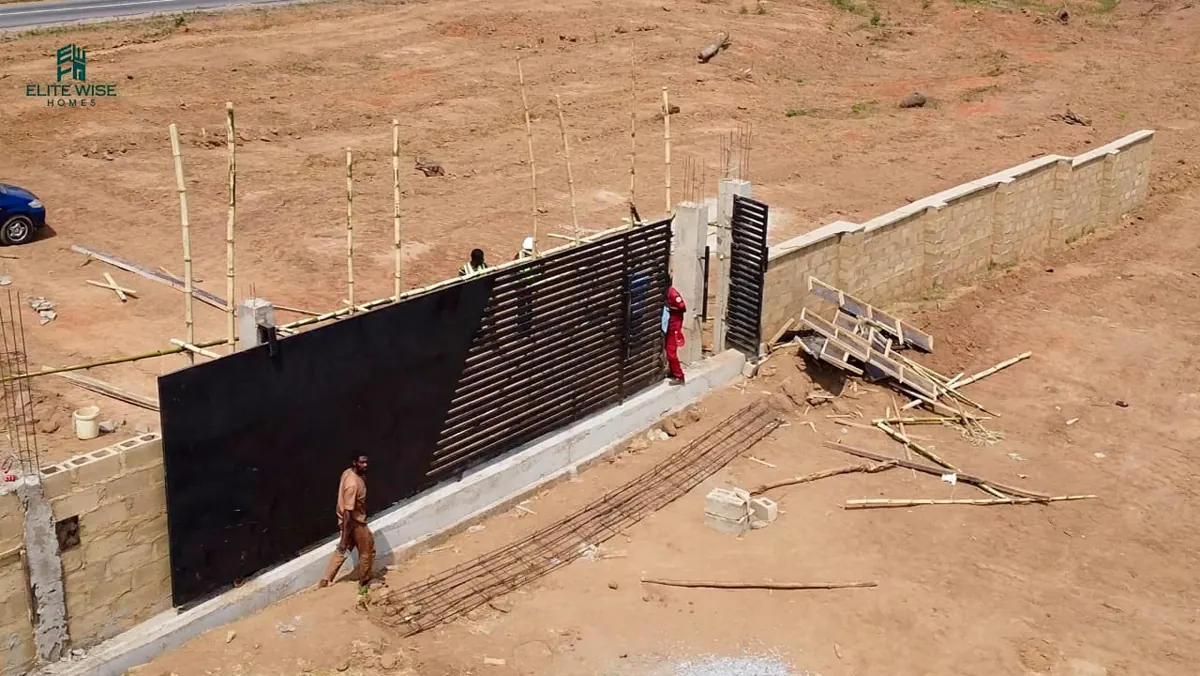
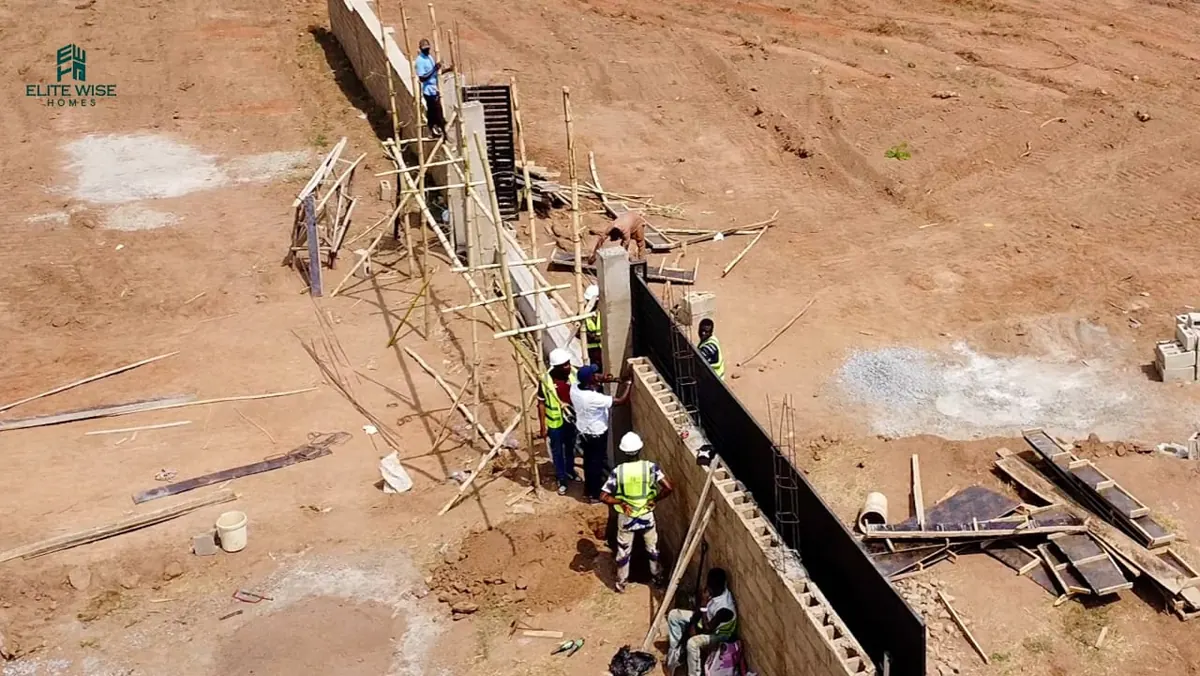
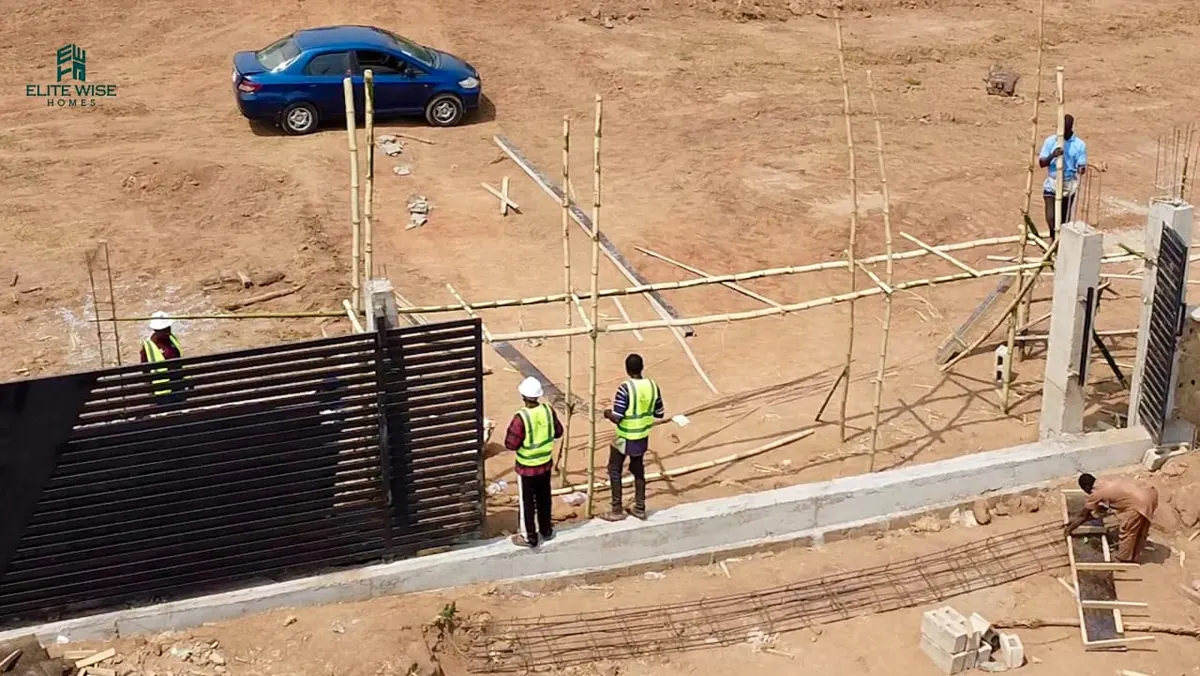
Adésewà Estate at Moniya, Ibadan sits at the intersection of the trends described above: secondary city growth, infrastructure investment in the corridor, land that is still at pre-mainstream pricing, and a verified C of O title from a developer with a track record of delivering. Current pricing starts at ₦4 million for a 500sqm residential plot, with a ₦500,000 initial deposit and six months to complete. Those prices hold until March 31, 2026.
If you've been watching the market and trying to figure out where the Ibeju-Lekki equivalent is for this cycle, the answer is probably not in Lagos this time.
Position Yourself in the Right Market
Adésewà Estate, Moniya Ibadan — verified, titled, and priced for the early investor. Plots available now from ₦4M.